What to do after a house fire
Once the trucks pull away, the work for the next several days is mostly phone calls and photos, plus plywood. An opened-up house in a Whatcom County winter will take on rain within a day or two, the adjuster needs to see the damage before it goes in a dumpster, and the soot has usually reached rooms you assumed were fine.
On this page
Going back inside
- Don't enter until the fire department releases the building.
- Find out which utilities were cut. Leave them off; the utility company or a licensed electrician should restore power and gas after an inspection.
- Put on gloves and an N95 respirator before you handle anything. Ash and soot irritate lungs and skin.
Day one, in order
- Open the claim. Call the insurer, get the claim number, and ask whether your policy pays for somewhere to stay (additional living expense) while the house is unlivable.
- Close the openings. Board windows and doors and tarp holes in the roof. Most policies expect you to take reasonable steps against further damage, and from November into January, Bellingham rarely goes long without rain.
- Document every room on video, walking slowly, before anything is moved or tossed.
- Grab the essentials. Medications and glasses come first; IDs and phone chargers next.
- Keep receipts from the first hour on, including meals and motel nights. Clothes and toiletries count too.
Three kinds of damage
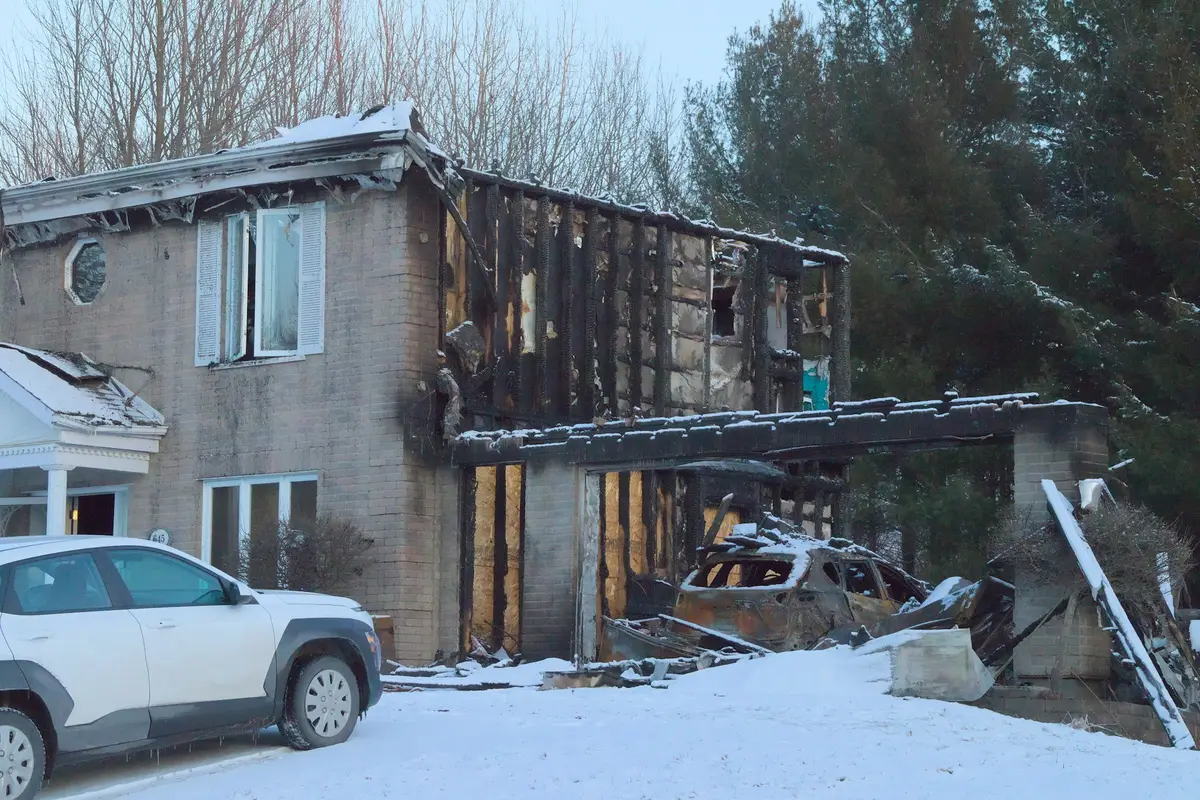
The charred room is the obvious one. Less obvious is the soot that heat and air currents pushed into hallways and upstairs bedrooms; it is acidic, and the longer it sits on finishes and metal, the more it etches. Then there is the hose water. It soaks subfloors and insulation and needs the same drying as any big leak. A restoration plan should cover all three, and it should start with the water, since wet framing turns into mold in a cold, damp house. Fire and smoke cleanup in Bellingham.
Your belongings
Crews often box up contents and take them off site for cleaning. When anything leaves, ask for an itemized list with photos and keep a copy. Throw out food and medicine that was exposed to heat or smoke. Clothing and dishes usually come back clean, as do most hard goods.
The people involved
A restoration company secures the structure and handles drying and cleaning. The rebuild is often a general contractor's job. The adjuster your insurer sends represents the insurer. A public adjuster represents you, for a fee usually set as a percentage of the claim, and must hold a license from the Washington Insurance Commissioner. Before signing with any contractor, look up their Washington L&I registration.
Questions Whatcom County homeowners ask
Does homeowners insurance cover smoke damage?
Homeowners and renters policies are built around fire as a covered peril. Smoke cleanup is normally included, along with the cost of staying elsewhere during repairs, which policies call additional living expense or loss of use. Your declarations page shows the limits. Save every receipt from the time you are displaced.
How much does fire damage restoration cost?
LawnStarter's national average is $20,470. Small and large fires spread that across $2,900 to $38,325, or $4.25 to $6.50 per square foot of affected area. Because a running furnace carries smoke into every room, a stovetop fire can turn into whole-house cleaning, and replacing charred framing is a separate cost.
Can I live in the house after a small fire?
After a small, contained fire, some families stay once the fire department and the utilities give the all-clear. Lingering smoke and fine soot can still be hard on anyone with asthma or a lung condition. Check what your policy pays for temporary housing before deciding to tough it out.